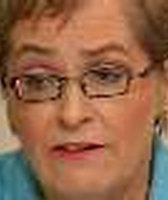
“The reason (people in Cuba) are forced to survive 22 hours a day without electricity is not due to an oil ‘blockade’ by the US.”

Our only agenda is to publish the truth so you can be an informed participant in democracy.
We need your help.

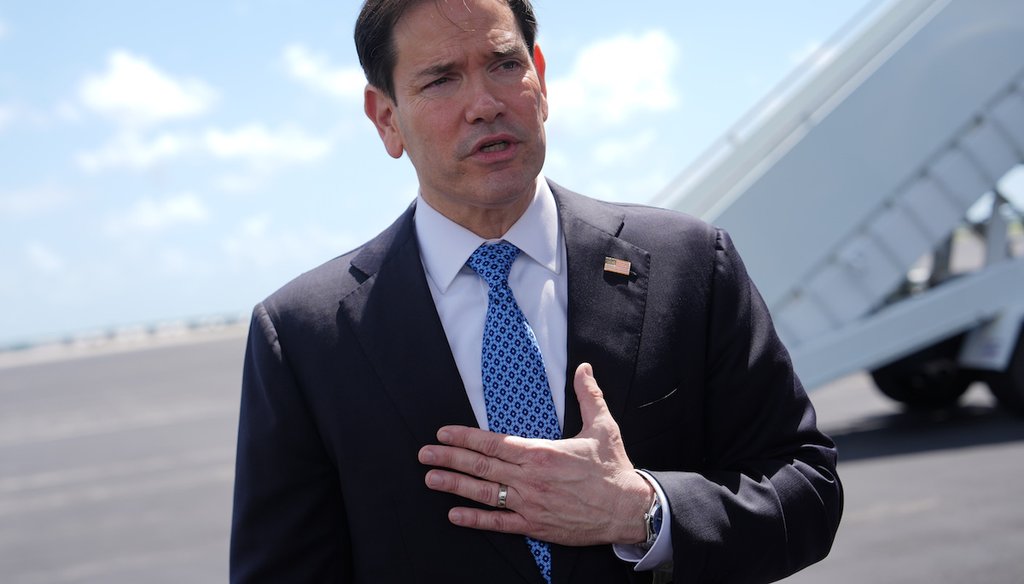
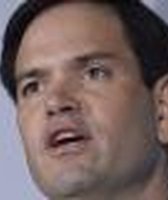
Secretary of State Marco Rubio speaks to the press before boarding his plane at Homestead Air Reserve Base on May 21, 2026 (AP)


Blackouts in Cuba have been common for years because the Cuba government has mismanaged and neglected its energy system, historians and foreign policy experts said.
The U.S. government’s oil blockade has worsened the situation. The U.S. cut off Venezuela’s oil shipments to Cuba and threatened tariffs and sanctions on other countries seeking to send fuel or do business with the island.
In a Spanish video message to the people of Cuba, U.S. Secretary of State Marco Rubio said he wanted to share "the truth" about their suffering and what the U.S. government could do to help.
"The reason you are forced to survive 22 hours a day without electricity is not due to an oil ‘blockade’ by the U.S.," Rubio said in a video posted on X on May 20 — Cuba’s Independence Day and also the day the U.S. charged former Cuban president Raúl Castro in the 1996 Brothers to the Rescue plane shootdown.
"As you know, better than anyone, you have been suffering from blackouts for years," he said. "The real reason you don’t have electricity, fuel or food is because those who control your country have plundered billions of dollars, but nothing has been used to help the people."
Since the U.S. government’s January capture of Venezuelan leader Nicolás Maduro, the U.S. has ended oil shipments from Venezuela to Cuba, previously the island's main supplier. Cuba mainly relies on oil products for energy. President Donald Trump has threatened other countries with tariffs and sanctions if they sell fuel to Cuba, effectively blocking all oil imports into the country.
Cuba’s economic and energy crises are decades in the making, with the government’s centralized control and longstanding mismanagement making rolling blackouts common.
However, Cuban historians and foreign policy experts said the U.S. is playing a role in the current crisis and its embargo is exacerbating an already fraught situation.
"The length of the blackouts has gotten worse since the oil embargo was in place, so that is clearly, unquestionably, a major part of the problem," said William LeoGrande, an American University specialist in Latin American politics. "To claim blackouts are solely the (Cuban) government's fault is simply disingenuous."
The State Department pointed PolitiFact to Rubio’s May 21 statement that said Cuba had "major blackouts last year, and they were still getting free Venezuelan oil. They haven't spent a penny in fixing their energy production, their electrical grid. They don't spend any money on that stuff. They pocket it."
Cuba’s blackouts largely started in the early 1990s when the country lost support from the Soviet Union after its collapse, said Theodore Henken, a Baruch College sociologist and anthropologist who studies Cuba.
Blackouts became less frequent in the early and mid-2000s when then-Venezuelan leader Hugo Chávez began subsidizing oil shipments to Cuba. As Venezuela’s economy worsened in the 2010s, the country reduced its oil shipments to Cuba. By 2023, the shipments could not fully power the Cuban grid.
Lillian Guerra, a University of Florida Cuban and Caribbean history professor who’s experienced several blackouts when visiting the country, said in 2025 blackouts started happening more frequently and lasting longer.
The power outages have increased in frequency and duration since the embargo began. For example, the country had three nationwide blackouts in March and since February, has had at least 28 days of blackouts lasting 24 hours, El País reported May 22.
Experts said Cuba’s blackouts are primarily caused by a collapsed electric grid that needs upgrades and repairs.
"So, while the U.S. oil blockade certainly aggravated this situation, it did not create it," Henken said. Cuba’s government in recent years prioritized building hotels, he said, which has "starved the country of funds for basic maintenance."
The country’s electric grid requires 110,000 barrels of oil a day and can produce 40,000 per day, El País reported.
On May 13, the Cuban government said it was out of oil and diesel.
Cuba's government relied on the oil shipments from Venezuela and didn't provide for alternatives, Bert Hoffmann, a Latin America expert at the German Institute of Global and Area Studies, told PolitiFact. Hoffman said the country only began to seriously install solar capacity three years ago.
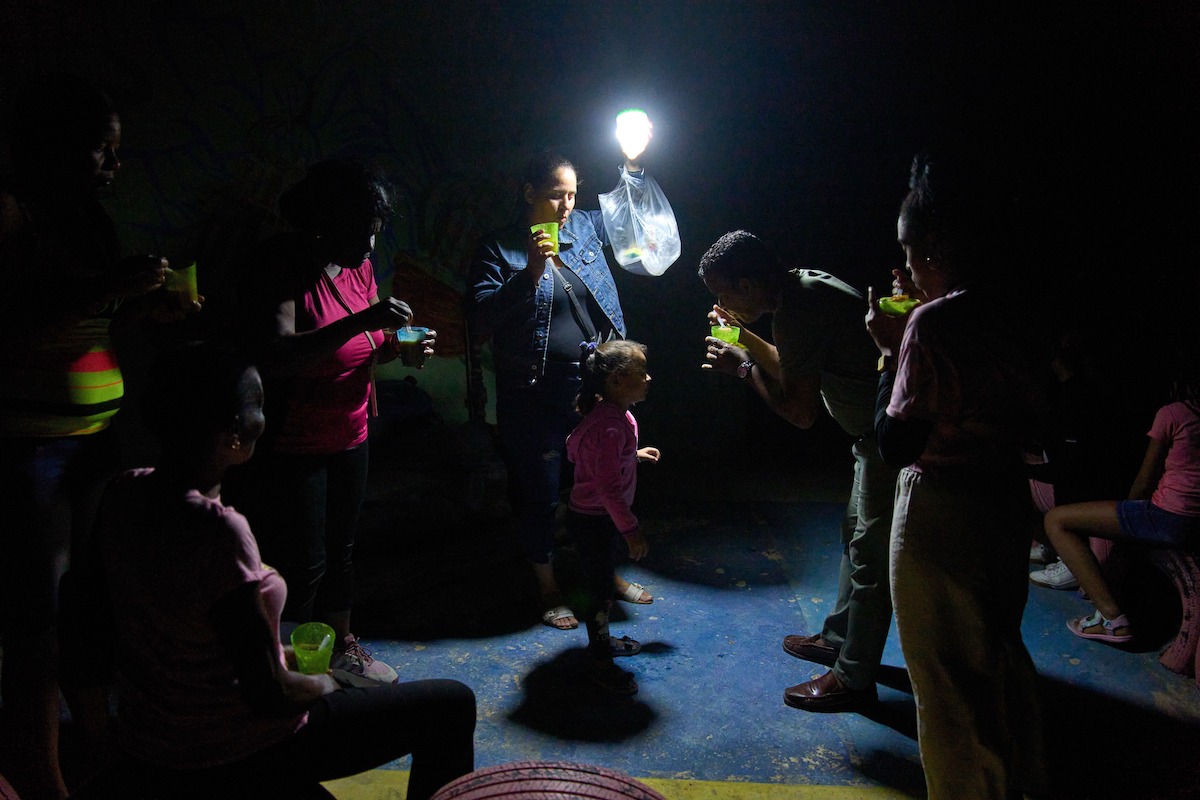
Experts say the U.S.’ actions helped push Cuba’s fragile system over the edge.
"While there have been frequent blackouts in the past, they now are on a very different scale," Hoffmann said. They generally weren’t for 22 hours a day, he said.
"The blackouts have gotten much worse since January," said LeoGrande, from American University. "Cuban officials have said that they are searching for someone to sell them oil but no one will because of the threat of U.S. sanctions."
After the U.S. choked off the Venezuelan-Cuba oil supply line in early January, Trump issued a Jan. 29 executive order that threatened tariffs on any nation that directly or indirectly supplied oil to Cuba. That forced Mexico, Cuba’s other major oil supplier, to halt shipments to the island.
Mexico President Claudia Sheinbaum has repeatedly said she would supply Cuba with oil as humanitarian aid, but can’t because of the U.S.’ serious economic threats, Hoffman said.
By the end of January, Cuba’s oil imports fell to zero for the first time since 2015. The U.S. has so far allowed only one oil vessel — the Russian Anatoly Kolodkin in late March — to reach Cuba.
Since the embargo, Cuba’s power supply has entered an "unprecedented state," El País reported. Trump issued another executive order May 1 authorizing sanctions on any foreign company or person who provides financial, material or technological support to the Cuban government, affecting nearly all sectors of Cuba’s economy. United Nations human rights experts have characterized this move as "energy starvation."
Cuba’s humanitarian crisis and electric grid failures have worsened since the U.S. blockade, with food shortages, hospitals postponing or canceling surgeries, and schools and businesses forced to close.
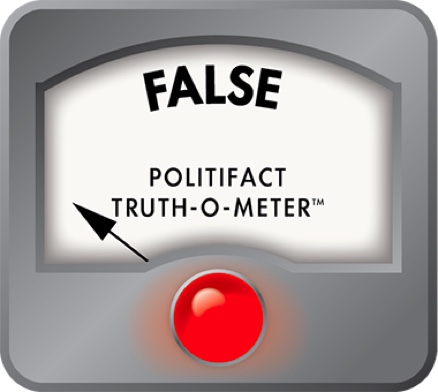
Rubio said, "The reason (people in Cuba) are forced to survive 22 hours a day without electricity is not due to an oil ‘blockade’ by the U.S."
Experts say the Cuban government mismanaged the country’s electric system and failed to invest in infrastructure or diversify its energy sources.
But the U.S. government’s oil embargo, along with its threats of tariffs and sanctions to any country that sends fuel or does business with Cuba, has exacerbated the problem.
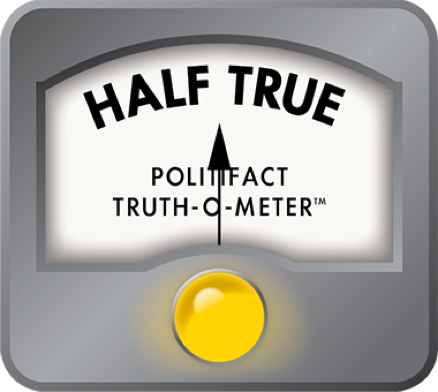
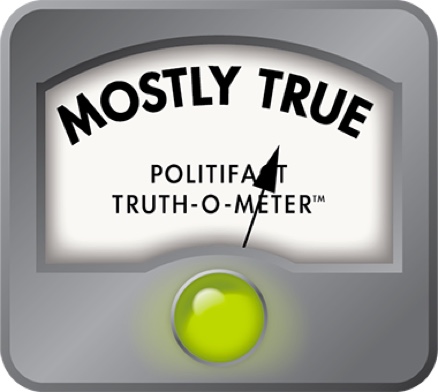
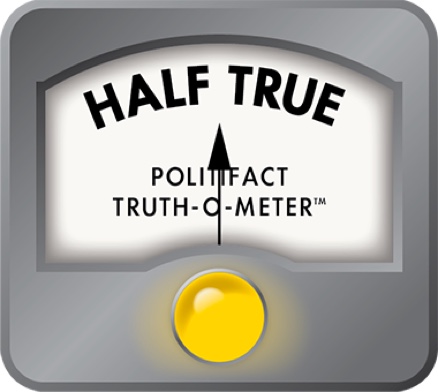
Rubio says the Cuban government is to blame, but both governments are contributing to the problem. We rate his statement Half True.
RELATED: Raúl Castro indictment: Who were Brothers to the Rescue? What happened in 1996?
RELATED: Obama’s baseball game with Raúl Castro hot topic as Trump supporters compare Cuba policies
X.com, Secretary of State Marco Rubio video, May 20, 2026
X.com, Dept. of State video, May 21, 2026
CiberCuba Noticias’ Facebook post, May 13, 2026
El País Cuba’s blackouts in charts: More hours without power than with it as Trump’s pressure intensifies, May 22, 2026
PolitiFact, Trump has threatened ‘taking Cuba.’ What’s at stake for the US economically, politically?, March 25, 2026
PolitiFact, Cuba can trade with other countries. But here’s some context, July 19, 2021
PolitiFact, Fact-checking claims that activists caused a Cuban hospital power outage, stayed in five-star hotel, March 24, 2026
The White House. ADDRESSING THREATS TO THE UNITED STATES BY THE GOVERNMENT OF CUBA, Jan. 29, 2026
The White House, IMPOSING SANCTIONS ON THOSE RESPONSIBLE FOR REPRESSION IN CUBA AND FOR THREATS TO UNITED STATES NATIONAL SECURITY AND FOREIGN POLICY, May 1, 2026
Think Global Health, Cuba's Health Care Buckles Under Fuel Blockade, May 19, 2026
Latin America ¡Sin Filtro!, Cuba Blacks Out as Venezuela Brightens Up, Feb. 17, 2026
Bloomberg, Cuba is Struggling to Keep Lights On Amid Trump’s Oil Blockade, Feb. 13, 2026
The Guardian, Cuba hit with fifth blackout in less than a year with 10m people in the dark, Sept. 10, 2025
ABC News, Cuba grid collapse: The situation is growing more dire, experts say, May 16, 2026
Justia, Convenio Integral de Cooperación entre la República de Cuba y la República, 2000
Bolivariana de Venezuela, accessed May 22, 2026
WBUR, Why Trump wants to ‘take’ Cuba, March 19, 2026
Electric Choice, Cuba Electricity: 2026 Crisis, Grid Overview & History, March 19, 2026
Mother Jones, No Oil, No Power, No Surgical Gloves: Inside Cuba’s Medical Collapse, April 1, 2026
Politico, Cuba’s power grid collapses leaving it without electricity for the 3rd time this month, March 22, 2026
CNN, As the US starves it of oil, Cuba is pulling off one of the fastest solar revolutions on the planet — with China’s help, May 13, 2026
Aljazeera, From blackouts to food shortages: How US blockade is crippling life in Cuba, Feb. 8, 2026
The New York Times, After Months of Threats, Trump Softens His Stance on Blocking Oil to Cuba, March 30, 2026
United Nations, United States must end "energy starvation" of Cuba with severe human rights impacts: UN experts, May 7, 2026
Email interview, State Department press office, May 21-22, 2026
Phone interview, Lilian Guerra, Professor, Cuban and Caribbean History, May 21, 2026
Email interview, Bert Hoffmann, a Latin America expert at the German Institute of Global and Area Studies, May 21, 2026
Email interview, Theodore Henken, a Baruch College sociologist and anthropologist who studies Cuba, May 21, 2026
Email interview, William LeoGrande, a government professor and specialist in Latin American politics at American University, May 21 and May 22, 2026






In a world of wild talk and fake news, help us stand up for the facts.