Latest Fact-checks in Federal Budget Clear Any Rating True Mostly True Half True Mostly False False Pants on Fire Full Flop Half Flip No Flip Any Speaker Any Date Range Last 3 Months Last 6 Months Last 12 Months 2025 2024 2023 2022 2021 2020 2019 2018 2017 2016 2015 2014 2013 2012 2011 2010 2009 2008 2007 Any Category Jeb Hensarling stated on January 29, 2010 in a Republican retreat in Baltimore: "What were the old annual deficits under Republicans have now become the monthly deficits under Democrats." Barack Obama stated on January 29, 2010 in a Republican retreat in Baltimore: Obama came into office "with a $1.3 trillion deficit before I had passed any law. ... We came in with $8 trillion worth of debt over the next decade." John Boehner stated on January 27, 2010 in a blog post: "President Obama's proposed 'spending freeze' will only reduce the $42 trillion in government spending proposed between 2011 and 2020 by little more than one-half of 1 percent." John Boehner stated on January 27, 2010 in a live-blog post during the State of the Union address: "President Obama pledged to go through the budget 'line by line,' but on his watch, non-defense spending has spiraled out of control, increasing by 67 percent in the last year alone." Bob McDonnell stated on January 27, 2010 in the Republican response to the State of the Union: "The amount of debt is on pace to double in five years and triple in 10. The federal debt is now over $100,000 per household." Barack Obama stated on January 27, 2010 in his State of the Union speech: "At the beginning of the last decade ... America had a budget surplus of over $200 billion. By the time I took office, we had a one-year deficit of over $1 trillion and projected deficits of $8 trillion over the next decade." Barack Obama stated on January 27, 2010 in his State of the Union address: The "pay-as-you-go law ... was a big reason why we had record surpluses in the 1990s." Barack Obama stated on January 27, 2010 in a State of the Union speech: On a government spending freeze. Barack Obama stated on January 14, 2010 in a speech to House Democrats.: "The Washington Times ... pointed out that we had succeeded where previous administrations had failed" on spending cuts. Kay Bailey Hutchison stated on January 14, 2010 in the Jan. 14 GOP gubernatorial debate: Says Gov. Rick Perry was for Wall Street bailout before he was against it. Karl Rove stated on January 10, 2010 in the Washington Post: The Obama administration "raised discretionary spending by 24 percent from President George W. Bush's last full-year budget and will run up more debt by October than Bush did in eight years." David Axelrod stated on January 15, 2010 in an op-ed in the Washington Post.: When President Bush took office in 2001, he inherited a $236 billion budget surplus, with a projected 10-year surplus of $5.6 trillion. When he ended his term, he left a $1.3 trillion deficit and a projected 10-year shortfall of $8 trillion. George LeMieux stated on January 8, 2010 in a message on Twitter: "Why is January 8th an important date in American history? This day in 1835 is the only day in our history when we have not been in debt." Mike Pence stated on December 8, 2009 in a speech on the House floor: "To use money from the TARP fund in the manner that is being discussed by the White House and congressional Democrats would be a violation of the law." Sarah Palin stated on November 17, 2009 in her book, Going Rogue: Says she couldn't take stimulus money because it required "universal building codes." Rush Limbaugh stated on November 10, 2009 in his radio show: The health care bills will be "mandated spending. You can't cut it, regardless of the budget circumstances." Wall Street Journal editorial page stated on November 2, 2009 in an editorial: The House health care bill pays for "about six years of program with a decade of revenue, with the heaviest costs concentrated in the second five years." Tom McClintock stated on October 27, 2009 in a speech on the House floor: Three presidents in the last century — Harding, Kennedy and Reagan — all cut taxes during recessions and produced "rapid and dramatic economic recoveries," while two, Herbert Hoover and Barack Obama, did "the opposite." The Freedom Project stated on October 19, 2009 in a press release: "Democrats rang up a $1.42 trillion budget deficit in 2009 — the single largest in American history." John Cornyn stated on October 18, 2009 in an interview on CBS's Face the Nation: "The first installment of health care reform ... will raise the deficit by $250 billion." Cokie Roberts stated on October 4, 2009 in appearance on This Week with George Stephanopoulos: Forty percent of gross domestic product "is state, local, or federal money." Donna Brazile stated on August 2, 2009 in CNN's State of the Union with John King: Under President George W. Bush, the U.S. "spent $1.3 trillion on tax cuts for the wealthy" and "trillions" each on a war and on Medicare drug benefits. Joe Biden stated on July 9, 2009 in a news release.: "Across the country, $174 billion of the Recovery Act have been committed in its first 130 days." Barack Obama stated on June 24, 2009 in a town hall meeting: "Medicare and Medicaid are the single biggest drivers of the federal deficit and the federal debt by a huge margin." Michele Bachmann stated on May 6, 2009 in a press release: ACORN "could get up to $8.5 billion more tax dollars despite being under investigation for voter registration fraud in a dozen states." Barack Obama stated on May 7, 2009 in a speech at the White House.: Pay-as-you-go "is the principle that helped transform large deficits into surpluses in the 1990s." John Boehner stated on April 22, 2009 in an opinion piece.: "About halfway through fiscal year 2009, Washington has run out of money." Barack Obama stated on April 14, 2009 in a speech at Georgetown University: "Already we've identified $2 trillion in deficit reductions over the next decade." Judd Gregg stated on March 17, 2009 in a speech on the Senate Floor.: On the propriety of budget reconciliation. Robert Gibbs stated on March 26, 2009 in a statement during a press briefing: The Republican leadership's budget proposal "doesn't contain any numbers."

Clear Any Rating True Mostly True Half True Mostly False False Pants on Fire Full Flop Half Flip No Flip Any Speaker Any Date Range Last 3 Months Last 6 Months Last 12 Months 2025 2024 2023 2022 2021 2020 2019 2018 2017 2016 2015 2014 2013 2012 2011 2010 2009 2008 2007 Any Category
Jeb Hensarling stated on January 29, 2010 in a Republican retreat in Baltimore: "What were the old annual deficits under Republicans have now become the monthly deficits under Democrats." Barack Obama stated on January 29, 2010 in a Republican retreat in Baltimore: Obama came into office "with a $1.3 trillion deficit before I had passed any law. ... We came in with $8 trillion worth of debt over the next decade." John Boehner stated on January 27, 2010 in a blog post: "President Obama's proposed 'spending freeze' will only reduce the $42 trillion in government spending proposed between 2011 and 2020 by little more than one-half of 1 percent." John Boehner stated on January 27, 2010 in a live-blog post during the State of the Union address: "President Obama pledged to go through the budget 'line by line,' but on his watch, non-defense spending has spiraled out of control, increasing by 67 percent in the last year alone." Bob McDonnell stated on January 27, 2010 in the Republican response to the State of the Union: "The amount of debt is on pace to double in five years and triple in 10. The federal debt is now over $100,000 per household." Barack Obama stated on January 27, 2010 in his State of the Union speech: "At the beginning of the last decade ... America had a budget surplus of over $200 billion. By the time I took office, we had a one-year deficit of over $1 trillion and projected deficits of $8 trillion over the next decade." Barack Obama stated on January 27, 2010 in his State of the Union address: The "pay-as-you-go law ... was a big reason why we had record surpluses in the 1990s." Barack Obama stated on January 27, 2010 in a State of the Union speech: On a government spending freeze. Barack Obama stated on January 14, 2010 in a speech to House Democrats.: "The Washington Times ... pointed out that we had succeeded where previous administrations had failed" on spending cuts. Kay Bailey Hutchison stated on January 14, 2010 in the Jan. 14 GOP gubernatorial debate: Says Gov. Rick Perry was for Wall Street bailout before he was against it. Karl Rove stated on January 10, 2010 in the Washington Post: The Obama administration "raised discretionary spending by 24 percent from President George W. Bush's last full-year budget and will run up more debt by October than Bush did in eight years." David Axelrod stated on January 15, 2010 in an op-ed in the Washington Post.: When President Bush took office in 2001, he inherited a $236 billion budget surplus, with a projected 10-year surplus of $5.6 trillion. When he ended his term, he left a $1.3 trillion deficit and a projected 10-year shortfall of $8 trillion. George LeMieux stated on January 8, 2010 in a message on Twitter: "Why is January 8th an important date in American history? This day in 1835 is the only day in our history when we have not been in debt." Mike Pence stated on December 8, 2009 in a speech on the House floor: "To use money from the TARP fund in the manner that is being discussed by the White House and congressional Democrats would be a violation of the law." Sarah Palin stated on November 17, 2009 in her book, Going Rogue: Says she couldn't take stimulus money because it required "universal building codes." Rush Limbaugh stated on November 10, 2009 in his radio show: The health care bills will be "mandated spending. You can't cut it, regardless of the budget circumstances." Wall Street Journal editorial page stated on November 2, 2009 in an editorial: The House health care bill pays for "about six years of program with a decade of revenue, with the heaviest costs concentrated in the second five years." Tom McClintock stated on October 27, 2009 in a speech on the House floor: Three presidents in the last century — Harding, Kennedy and Reagan — all cut taxes during recessions and produced "rapid and dramatic economic recoveries," while two, Herbert Hoover and Barack Obama, did "the opposite." The Freedom Project stated on October 19, 2009 in a press release: "Democrats rang up a $1.42 trillion budget deficit in 2009 — the single largest in American history." John Cornyn stated on October 18, 2009 in an interview on CBS's Face the Nation: "The first installment of health care reform ... will raise the deficit by $250 billion." Cokie Roberts stated on October 4, 2009 in appearance on This Week with George Stephanopoulos: Forty percent of gross domestic product "is state, local, or federal money." Donna Brazile stated on August 2, 2009 in CNN's State of the Union with John King: Under President George W. Bush, the U.S. "spent $1.3 trillion on tax cuts for the wealthy" and "trillions" each on a war and on Medicare drug benefits. Joe Biden stated on July 9, 2009 in a news release.: "Across the country, $174 billion of the Recovery Act have been committed in its first 130 days." Barack Obama stated on June 24, 2009 in a town hall meeting: "Medicare and Medicaid are the single biggest drivers of the federal deficit and the federal debt by a huge margin." Michele Bachmann stated on May 6, 2009 in a press release: ACORN "could get up to $8.5 billion more tax dollars despite being under investigation for voter registration fraud in a dozen states." Barack Obama stated on May 7, 2009 in a speech at the White House.: Pay-as-you-go "is the principle that helped transform large deficits into surpluses in the 1990s." John Boehner stated on April 22, 2009 in an opinion piece.: "About halfway through fiscal year 2009, Washington has run out of money." Barack Obama stated on April 14, 2009 in a speech at Georgetown University: "Already we've identified $2 trillion in deficit reductions over the next decade." Judd Gregg stated on March 17, 2009 in a speech on the Senate Floor.: On the propriety of budget reconciliation. Robert Gibbs stated on March 26, 2009 in a statement during a press briefing: The Republican leadership's budget proposal "doesn't contain any numbers."
Jeb Hensarling stated on January 29, 2010 in a Republican retreat in Baltimore: "What were the old annual deficits under Republicans have now become the monthly deficits under Democrats."
Barack Obama stated on January 29, 2010 in a Republican retreat in Baltimore: Obama came into office "with a $1.3 trillion deficit before I had passed any law. ... We came in with $8 trillion worth of debt over the next decade."
John Boehner stated on January 27, 2010 in a blog post: "President Obama's proposed 'spending freeze' will only reduce the $42 trillion in government spending proposed between 2011 and 2020 by little more than one-half of 1 percent."
John Boehner stated on January 27, 2010 in a live-blog post during the State of the Union address: "President Obama pledged to go through the budget 'line by line,' but on his watch, non-defense spending has spiraled out of control, increasing by 67 percent in the last year alone."
Bob McDonnell stated on January 27, 2010 in the Republican response to the State of the Union: "The amount of debt is on pace to double in five years and triple in 10. The federal debt is now over $100,000 per household."
Barack Obama stated on January 27, 2010 in his State of the Union speech: "At the beginning of the last decade ... America had a budget surplus of over $200 billion. By the time I took office, we had a one-year deficit of over $1 trillion and projected deficits of $8 trillion over the next decade."
Barack Obama stated on January 27, 2010 in his State of the Union address: The "pay-as-you-go law ... was a big reason why we had record surpluses in the 1990s."
Barack Obama stated on January 27, 2010 in a State of the Union speech: On a government spending freeze.
Barack Obama stated on January 14, 2010 in a speech to House Democrats.: "The Washington Times ... pointed out that we had succeeded where previous administrations had failed" on spending cuts.
Kay Bailey Hutchison stated on January 14, 2010 in the Jan. 14 GOP gubernatorial debate: Says Gov. Rick Perry was for Wall Street bailout before he was against it.
Karl Rove stated on January 10, 2010 in the Washington Post: The Obama administration "raised discretionary spending by 24 percent from President George W. Bush's last full-year budget and will run up more debt by October than Bush did in eight years."
David Axelrod stated on January 15, 2010 in an op-ed in the Washington Post.: When President Bush took office in 2001, he inherited a $236 billion budget surplus, with a projected 10-year surplus of $5.6 trillion. When he ended his term, he left a $1.3 trillion deficit and a projected 10-year shortfall of $8 trillion.
George LeMieux stated on January 8, 2010 in a message on Twitter: "Why is January 8th an important date in American history? This day in 1835 is the only day in our history when we have not been in debt."
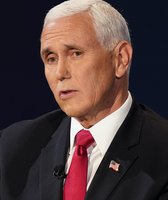
Mike Pence stated on December 8, 2009 in a speech on the House floor: "To use money from the TARP fund in the manner that is being discussed by the White House and congressional Democrats would be a violation of the law."
Sarah Palin stated on November 17, 2009 in her book, Going Rogue: Says she couldn't take stimulus money because it required "universal building codes."
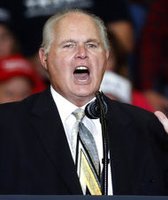
Rush Limbaugh stated on November 10, 2009 in his radio show: The health care bills will be "mandated spending. You can't cut it, regardless of the budget circumstances."
Wall Street Journal editorial page stated on November 2, 2009 in an editorial: The House health care bill pays for "about six years of program with a decade of revenue, with the heaviest costs concentrated in the second five years."
Tom McClintock stated on October 27, 2009 in a speech on the House floor: Three presidents in the last century — Harding, Kennedy and Reagan — all cut taxes during recessions and produced "rapid and dramatic economic recoveries," while two, Herbert Hoover and Barack Obama, did "the opposite."
The Freedom Project stated on October 19, 2009 in a press release: "Democrats rang up a $1.42 trillion budget deficit in 2009 — the single largest in American history."
John Cornyn stated on October 18, 2009 in an interview on CBS's Face the Nation: "The first installment of health care reform ... will raise the deficit by $250 billion."
Cokie Roberts stated on October 4, 2009 in appearance on This Week with George Stephanopoulos: Forty percent of gross domestic product "is state, local, or federal money."
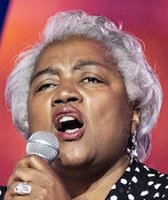
Donna Brazile stated on August 2, 2009 in CNN's State of the Union with John King: Under President George W. Bush, the U.S. "spent $1.3 trillion on tax cuts for the wealthy" and "trillions" each on a war and on Medicare drug benefits.
Joe Biden stated on July 9, 2009 in a news release.: "Across the country, $174 billion of the Recovery Act have been committed in its first 130 days."
Barack Obama stated on June 24, 2009 in a town hall meeting: "Medicare and Medicaid are the single biggest drivers of the federal deficit and the federal debt by a huge margin."
Michele Bachmann stated on May 6, 2009 in a press release: ACORN "could get up to $8.5 billion more tax dollars despite being under investigation for voter registration fraud in a dozen states."
Barack Obama stated on May 7, 2009 in a speech at the White House.: Pay-as-you-go "is the principle that helped transform large deficits into surpluses in the 1990s."
John Boehner stated on April 22, 2009 in an opinion piece.: "About halfway through fiscal year 2009, Washington has run out of money."
Barack Obama stated on April 14, 2009 in a speech at Georgetown University: "Already we've identified $2 trillion in deficit reductions over the next decade."
Judd Gregg stated on March 17, 2009 in a speech on the Senate Floor.: On the propriety of budget reconciliation.
Robert Gibbs stated on March 26, 2009 in a statement during a press briefing: The Republican leadership's budget proposal "doesn't contain any numbers."