Get PolitiFact in your inbox.

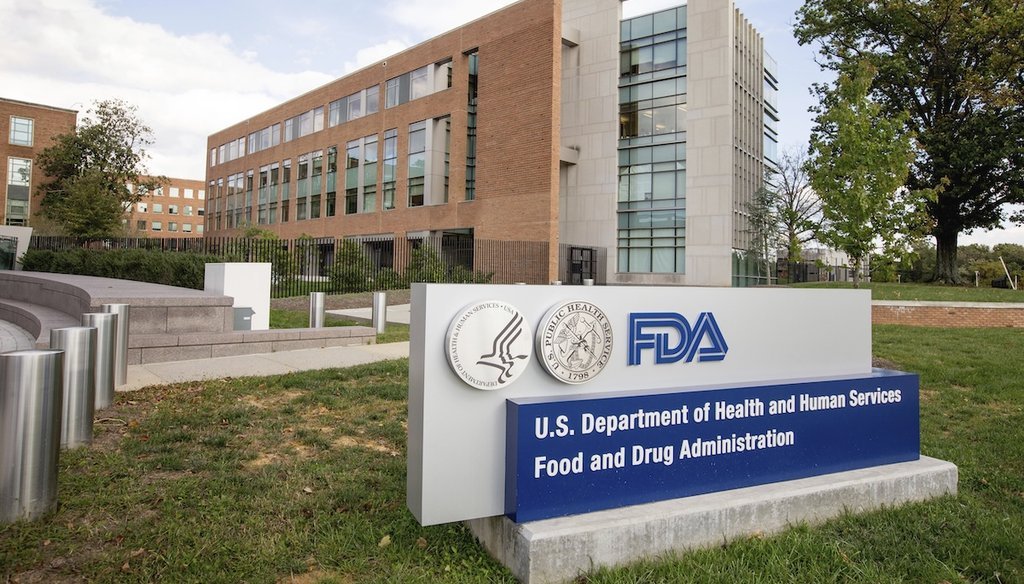
The Food and Drug Administration campus in Silver Spring, Md. on Oct. 14, 2015.

An Instagram ad catches your eye. You click to the product’s website and find reassurance: The product, it says, is "FDA certified" or was "produced in an FDA registered facility."
Mention of the U.S. Food and Drug Administration — the agency that regulates drugs, biological products, medical devices, food and cosmetics — might give it the veneer of legitimacy. But not all claims about FDA approval, certification or registration are created equal.
The FDA warns that some companies advertise products using fake FDA registration certificates.
It can be hard to navigate.
"Consumers should be aware that many terms and claims may be misleading and have little, if any, relevance regarding the safety or effectiveness of the product," said Aaron Lottes, a Purdue University engineering professor with medical device regulation expertise.
Here’s a consumer guide to the FDA’s regulatory terms — and other terms you might encounter that don’t really come from the agency at all.
‘FDA approved’
It means: The FDA determined the product is safe and effective for its intended use. For drugs, it means the drug’s benefits outweigh its known and potential risks when used for its intended purpose and following its approved labeling.
The FDA evaluates lab, animal and clinical testing outcomes and other scientific information to assess whether a product is safe and effective and whether it can be made according to federal quality standards.
Things the FDA approves include:
-
Drugs or products meant to treat or prevent disease.
-
Biological products such as gene therapies, therapeutic proteins, vaccines, allergenic products and products made from plasma.
-
High-risk human medical devices, including mechanical heart valves and implantable infusion pumps.
-
Human food additives that are added to food for a specific purpose, such as when xanthan gum is added to a food to add texture.
-
Color additives used in food, dietary supplements, drugs, cosmetics and some medical devices.
The FDA generally does not approve cosmetics such as moisturizers, perfumes, makeup, shampoos, toothpastes and deodorants; infant formula; dietary supplements; food labels or nutrition facts; facilities such as doctors’ offices or labs; or tobacco products. It also does not approve compounded drugs, which a pharmacist or doctor might create to meet the needs of patients with allergies. Another example would include the creation of a compounded liquid formulation of a medication commonly available as a pill for someone with a condition that makes swallowing difficult.
Some things fall in between. A product might be both a cosmetic and a drug if it has more than one use and one of its uses would contribute to a disease’s diagnosis, cure, mitigation, treatment or prevention.
"An antidandruff shampoo is a cosmetic because its intended use is to cleanse the hair, and it is also a drug because its intended use is to treat dandruff," the FDA said in a statement.
Another example would be antiperspirant deodorant or makeup containing sun protection, the statement said.
How to verify a company’s claims about FDA approval: Search the FDA’s approved drug database, the cleared and approved medical devices database and the approved animal drugs database.
‘FDA certified’
It means: The only type of official FDA certification we found applies to a mammography facility that meets strict standards for providing quality mammograms, X-ray pictures of breasts to help with earlier breast cancer detection.
Federal law requires mammography facilities be certified as capable of providing quality mammograms by either the FDA or FDA-approved certification agencies in Illinois, Iowa, South Carolina or Texas. A facility must stop providing mammograms if it is not certified.
The FDA generally does not certify medical devices or facilities that make them.
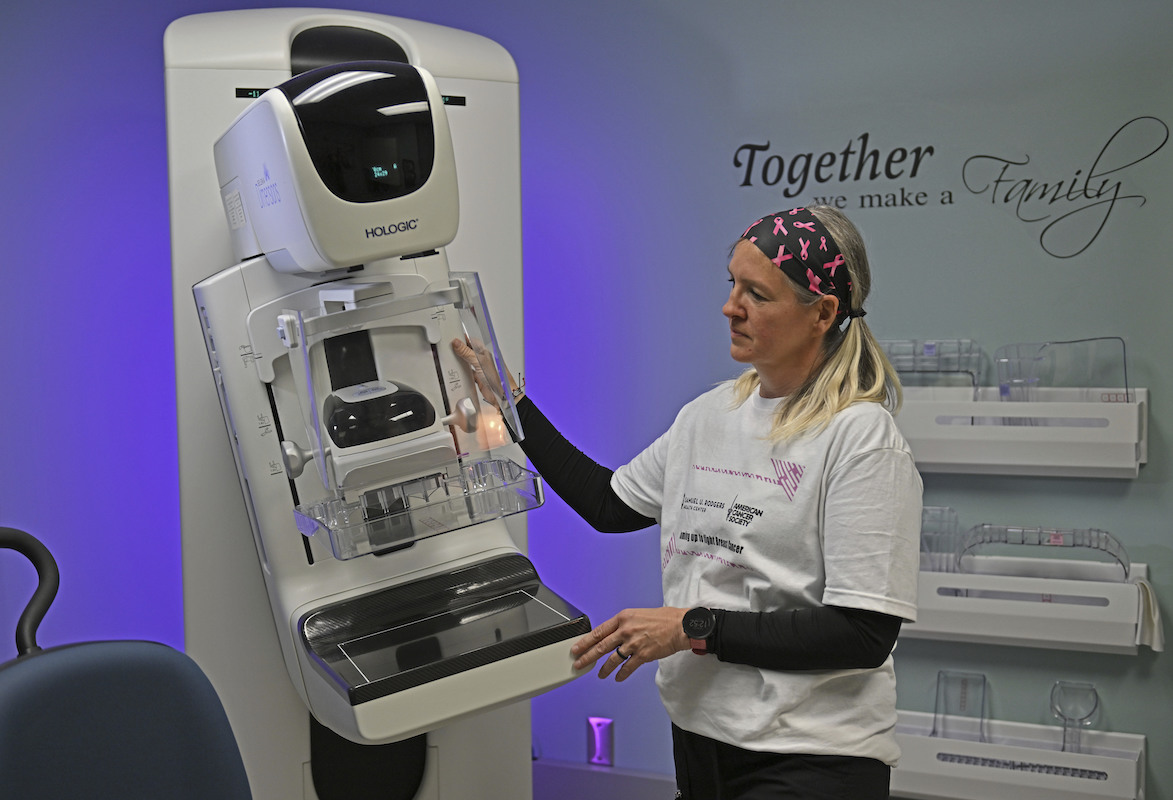
Renee Jeria, the imaging manager, shows the working of the mammography screening machine at the Samuel U. Rodgers Health Center on April 25, 2023 in Kansas City, Mo. (AP)
How to verify if your mammogram facility is certified: Search the FDA’s certified mammography facilities list or, when you’re there, look for a displayed FDA certificate.
Watch out for: Companies using fake certificates to claim a product or medical device is FDA certified — a practice the FDA said increased during the COVID-19 pandemic. These fake certificates often mimic official government documents and display the FDA logo.
‘FDA registered’
It means: The FDA has registration paperwork on file from the owners of a domestic or foreign food, drug or medical device facility that produces and distributes products sold in the U.S.
A facility’s registration with the FDA does not mean the agency approved, cleared or authorized it or the products it creates or distributes. The FDA doesn’t approve facilities, but it can inspect them to verify that they comply with relevant good manufacturing practices and other requirements.
A facility must be registered if it:
-
Produces or distributes medical devices.
-
Manufactures drug products or animal drug products.
-
Manufactures blood products or cells, tissues and cellular or tissue-based products.
-
Manufactures, processes, packs or holds food or dietary supplements for consumption in the U.S.
-
Manufactures or processes cosmetics or regulated tobacco products sold in the U.S.
How to verify if something is FDA-registered: Search the FDA’s database of registered medical device manufacturers and the registered tobacco product facilities.
PolitiFact Staff Researcher Caryn Baird contributed to this report.
Our Sources
Email interview with spokesperson for the U.S. Food and Drug Administration, Aug. 21, 2025
Email interview with Aaron Lottes, professor of engineering practice at Purdue University, Aug. 26, 2025
U.S. Food and Drug Administration, Is It Really 'FDA Approved'? May 10, 2022
U.S. Food and Drug Administration, Are There "FDA Registered" or "FDA Certified" Medical Devices? How Do I Know What Is FDA Approved? March 3, 2021
U.S. Food and Drug Administration, Cosmetics Safety Q&A: Personal Care Products, Feb. 25, 2022
U.S. Food and Drug Administration, What We Do, Nov. 21, 2023
U.S. Food and Drug Administration, Understanding FDA Terms for Possible New Therapies to Prevent and Treat Diseases, Aug. 14, 2025
U.S. Food and Drug Administration, Medical Device Databases, accessed Aug. 22, 2025
U.S. Food and Drug Administration, Mammography Facilities, accessed Aug. 22, 2025
U.S. Food and Drug Administration, Important Reminders about Registration and Listing, accessed Aug. 22, 2025
U.S. Food and Drug Administration, Who Must Register, List and Pay the Fee, accessed Aug. 22, 2025
U.S. Food and Drug Administration, Establishment Registration & Device Listing, accessed Aug. 22, 2025
U.S. Food and Drug Administration, FDA in Brief: FDA Calls on Certain Firms to Stop Producing and Issuing Misleading "FDA Registration Certificates," March 3, 2021
U.S. Food and Drug Administration, Facility Accreditation and Certification, updated March 20, 2025
U.S. Food and Drug Administration, Frequently Asked Questions About MQSA, updated March 20, 2025
U.S. Food and Drug Administration, Registration and Listing, updated March 11, 2025
U.S. Food and Drug Administration, Questions and Answers on Dietary Supplements, updated Feb. 21, 2024
U.S. Food and Drug Administration, Understanding How the FDA Regulates Food Additives and GRAS Ingredients, updated June 6, 2024
U.S. Food and Drug Administration, Compounding and the FDA: Questions and Answers, Sept. 16, 2025