Stand up for the facts!
Our only agenda is to publish the truth so you can be an informed participant in democracy.
We need your help.
I would like to contribute

Shutterstock

If Your Time is short
-
Traditional salt is primarily made up of sodium chloride.
-
Most people in the U.S. consume more sodium each day than health officials recommend, mainly because sodium is common in processed foods and restaurant meals.
-
Your grocer may offer many types of salt, but sea salt and Himalayan salt are about the same as average table salt when it comes to their nutritional properties.
Have you stood in the seasonings aisle of your local grocery store lately looking for salt and found yourself face to face with more salt choices than you knew existed? There’s the old standby, standard table salt. Or maybe sea salt in a fancy grinder? Light pink Himalayan salt is pretty. And it sounds healthy — is it?
Salt is in nearly everything we eat, and most recipes call for salt. So how can you know which to choose?
In the U.S., most people’s dietary sodium comes from processed foods and eating out at restaurants. If you’re aiming to cut back on your sodium intake, experts recommend you start by making more meals at home.
Thanks to social media buzz, you might have heard that some salts are healthier or gotten the impression iodized salt is overrated, but these salts aren’t so nutritionally different from your average table salt.
That means you probably don’t have to shell out extra money to arm yourself with a wide array of fancy salts. There’s no sign they’ll improve your heart health or overall wellness. But, if you’re looking to explore the world of salts, they could elevate your home cooking.
Here are some things to keep in mind.

Jason Franey, executive chef at Seattle's Canlis restaurant, sprinkles salt on cuts of Copper River Salmon after the first shipment of the year of the fish arrived May 16, 2014, from Cordova, Alaska to Seatac, Wash. (AP)
First, a word about sodium and its risks
People sometimes think salt and sodium are the same thing. But sodium chloride is salt’s largest component, no matter what kind.
For years, U.S. health officials have recommended that most adults consume less than 2,300 mg of sodium daily. That’s less than about 1 teaspoon of table salt. A single teaspoon of other salt types may contain a little less sodium than that, partly because of grain size.
Overall, most people in the U.S. consume more sodium each day than public health officials recommend.
Some research shows that higher sodium intake is linked to health problems such as kidney disease and higher cardiovascular risk.
Table salt
This is the most widely used salt. It’s the fine white grains you find in many salt shakers. It is typically mined from underground salt rock deposits. Standard table salt, which is processed to remove other nutrients, is about 40% sodium and 60% chloride.
The other thing you’ll sometimes encounter when reading the food label on table salt falls into a category of ingredients known as anti-caking agents. These ingredients are sometimes added in extremely small amounts to prevent foods such as salt or flour from clumping together.
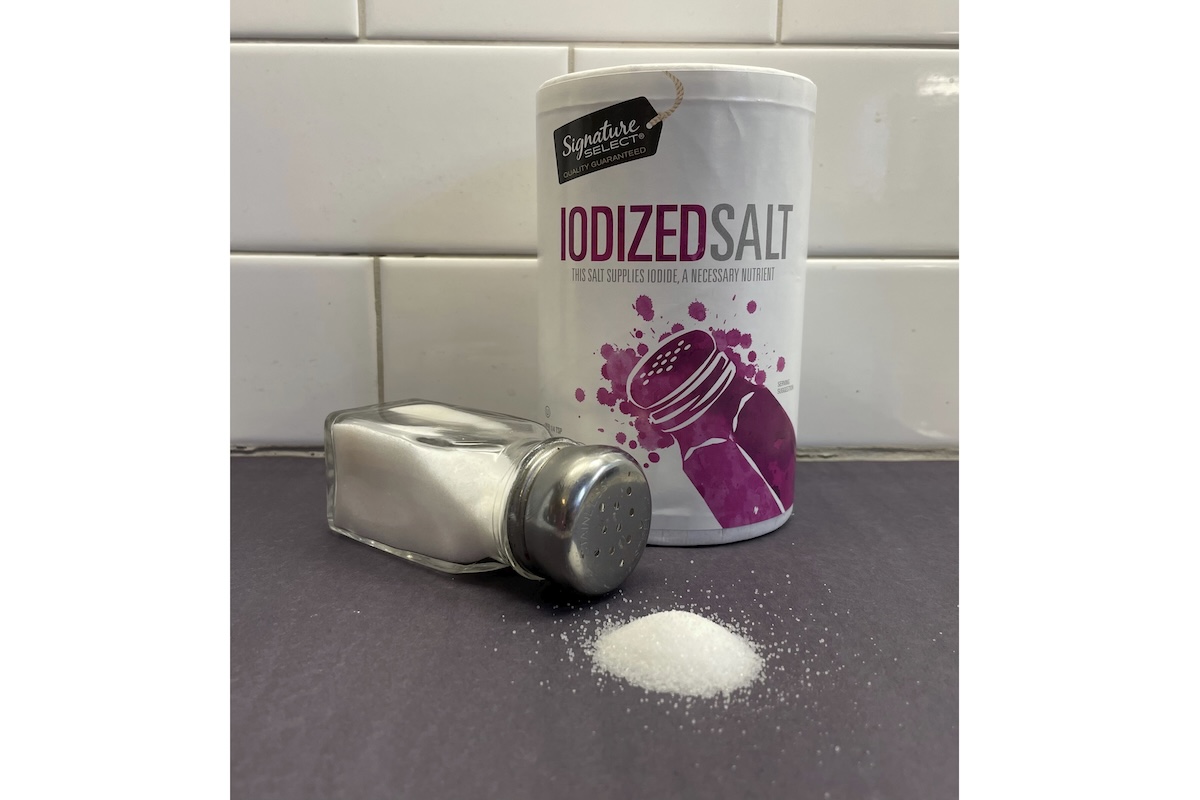
Iodized salt is displayed for a photograph in Philadelphia on Jan. 6, 2025. (AP)
Iodized salt
If salt is iodized, it means iodine was added during the manufacturing process. Your body doesn’t make iodine, but it needs the nutrient to make thyroid hormones that control metabolism and other functions. That’s why iodized salt can be a valuable, reliable source of iodine — something you probably need if you don’t often eat other sources of iodine such as seaweed or seafood.
Different salts can be iodized. Table salt is often iodized, and you can buy iodized sea salt or iodized Himalayan salt.
To some sensitive palates, iodine can have a slightly bitter or metallic taste.
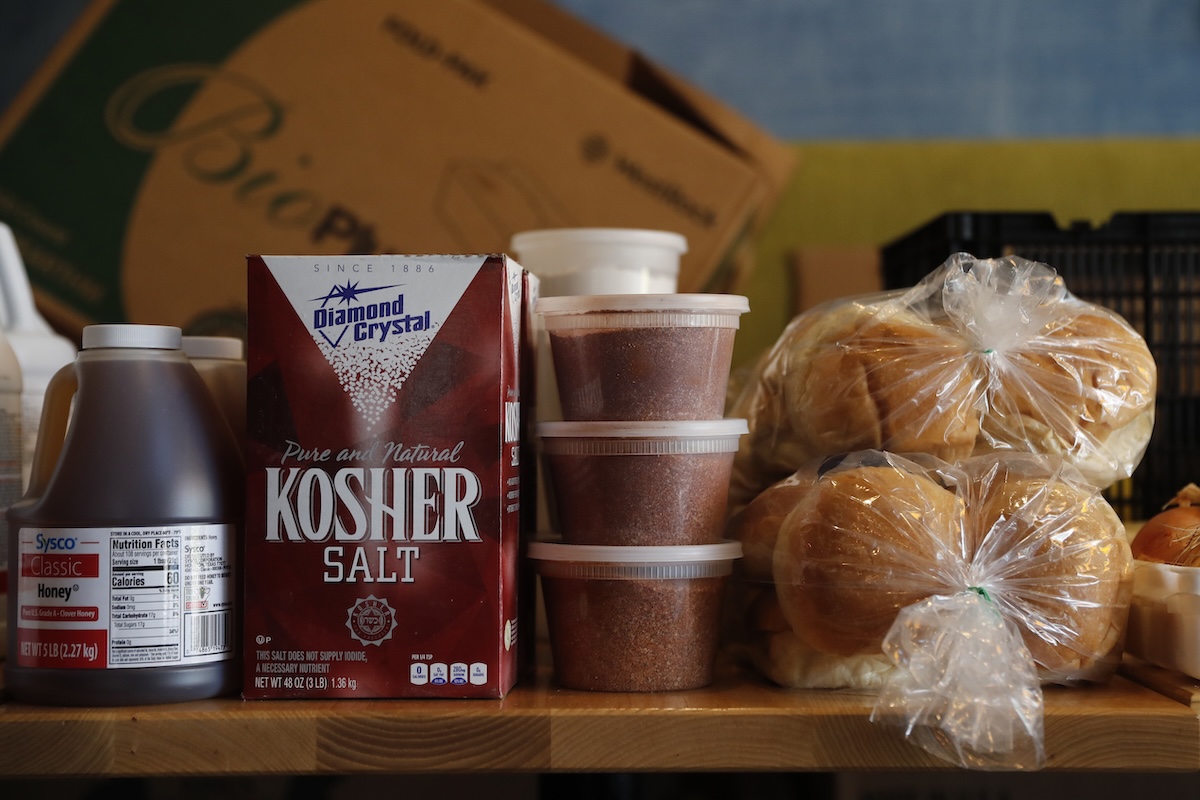
Various grocery items including kosher salt sit on a table inside barbecue restaurant Salt + Smoke April 10, 2020, in St. Louis.
Kosher salt
Kosher salt is sodium chloride that has a coarser, more uneven grain than table salt. Similar to table salt, it is mined from salt deposits. Unlike table salt, there usually aren’t anti-caking agents or iodine in kosher salt, so some people prefer it for a purer flavor.
Chefs often prefer using kosher salt because it’s easy to pinch and distribute — and because it doesn’t include components like iodine that can introduce bitter or metallic notes to a dish. Different brands of kosher salt can vary when it comes to density or grain size, so a recipe might even call for a particular brand.
It’s worth noting: Not all kosher salt meets the requirements of Jewish dietary laws. If you’re looking for true kosher salt, you’ll need to buy a package labeled "kosher-certified."
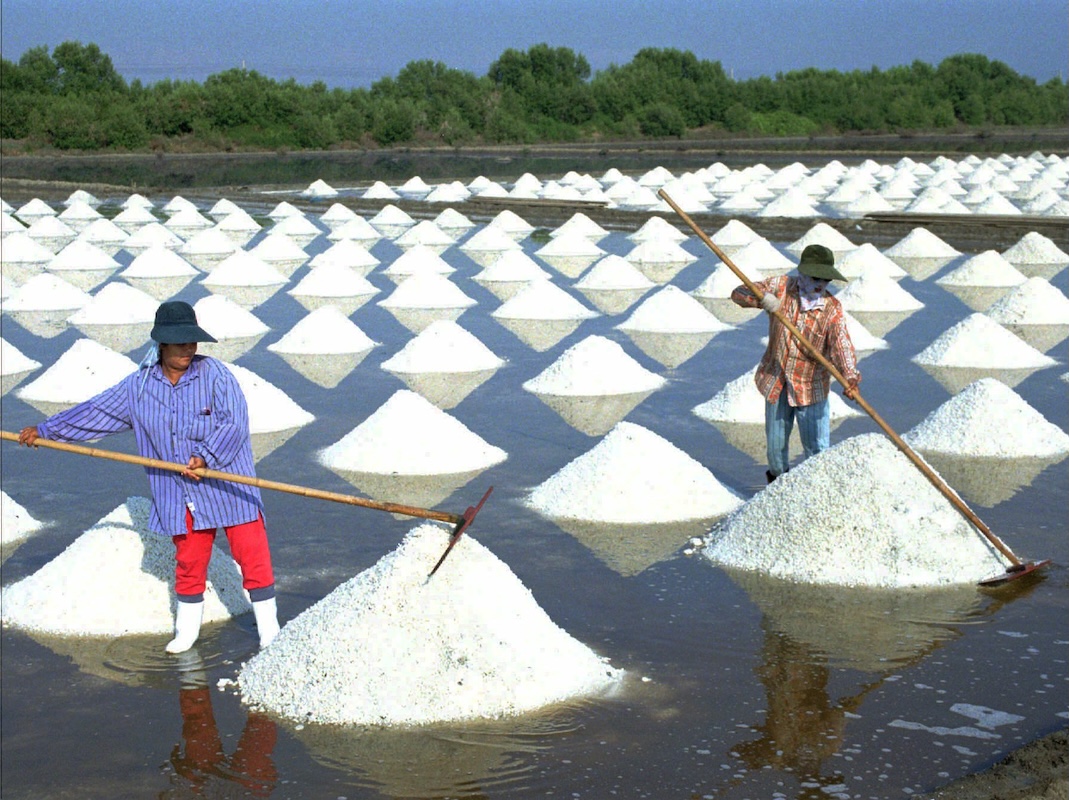
Sea salt farmers work in a field in Samutsongkram, 44 miles southwest of Bangkok, April 27, 1997. (AP)
Sea salt
Sea salt is produced by evaporating sea water. Some people promote sea salt as healthier than table salt, but it is about 90% sodium chloride and both salts have essentially the same nutritional value and amount of sodium by weight. Sea salt crystals are often larger than table salt grains, though, so a teaspoon of sea salt might contain less sodium.
Sea salt is less processed than table salt, which means it can contain trace amounts of more minerals than table salt. Magnesium, calcium and potassium are often found in sea salt. Ultimately, the minerals present depend on where a company got the water that was evaporated to make its sea salt — something that can also affect the salt’s taste or color. China is the world’s largest salt producer.
Sea salt is often coarser, has larger crystals and tastes stronger than table salt, so it might be preferred if you’re hoping to add some texture to a dish or want a particular flavor.

Miner Mohammed Shezad digs salt at the Asia's oldest salt mine in Khwera, south of Islamabad, Pakistan on Jan 15, 2005. Laborers use hand drills and gunpowder to blast away the pink and orange-colored rock crystal. (AP)
Himalayan salt
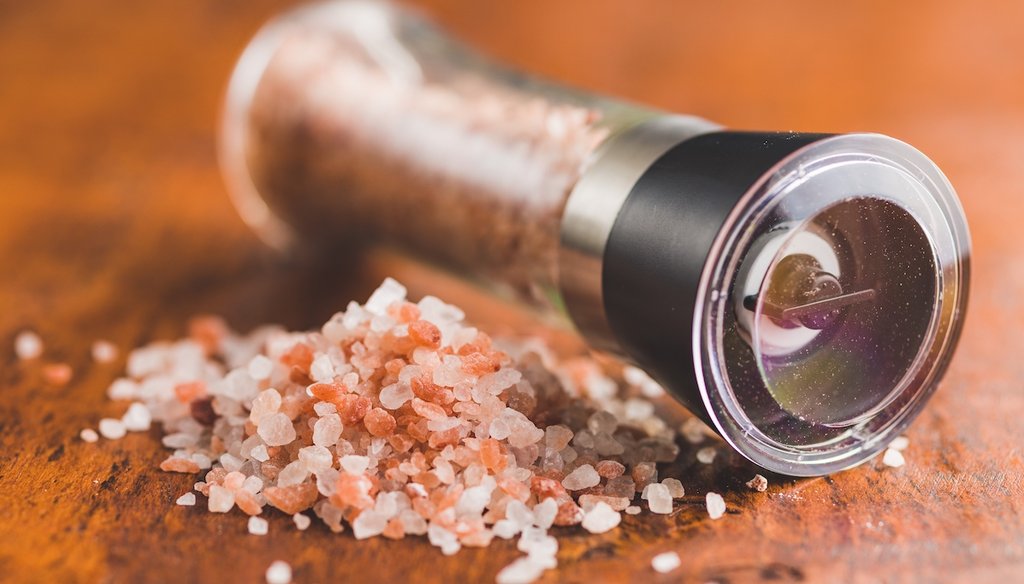
This light pink salt is mined in Pakistan near, you guessed it, the Himalayas. It is extracted from the mine by hand and undergoes limited processing, meaning it retains other minerals and elements such as the iron oxide that give it its pink color.
Different brands of Himalayan salt can contain different amounts of sodium. Along with the standard sodium chloride and iron oxide, Himalayan salt often includes minerals such as calcium, iron, potassium, magnesium and zinc.
Overall, the minerals sometimes found in Himalayan salt can be beneficial to a person’s health, but salt isn’t the best way to get them into your diet. A 2020 Australian study found that these minerals appear in Himalayan salt in such small quantities that a person would need to consume too much — about 6 teaspoons each day — for the salt to significantly add to a person’s overall nutrient intake. That much salt is "a level that would provide excessive sodium and potential harmful effects," researchers wrote.
Research has not proved that consuming this pink-tinted salt is healthier or offers particular benefits that other salts cannot.
Himalayan salt is a popular finishing salt — added right before you eat your food. Its larger grains add texture.
PolitiFact Staff Researcher Caryn Baird contributed to this report.
RELATED: What is ‘ultra-processed’ food? Brazilian researchers have an answer.
RELATED: A protein primer: Why is it important, how much should you eat, how much is too
Our Sources
Email interview with Dr. Deepak K. Gupta, associate professor of medicine at Vanderbilt University Medical Center and director of the Vanderbilt Translational and Clinical Cardiovascular Research Center, April 1, 2026
American Heart Association, How Much Sodium Should I Eat Per Day? accessed March 31, 2026
All Recipes, What Is Kosher Salt — and Is It Really Kosher? Jan. 8, 2021
The New York Times, 4 Ways to Cut Back on Salt, Nov. 12, 2025
The New York Times, Are You Eating Too Much Salt? March 19, 2024
Handle the Heat, Kosher Salt vs. Sea Salt vs. Table Salt, Sept. 26, 2023
Harvard T.H. Chan School of Public Health The Nutrition Source, Salt and Sodium, accessed March 31, 2026
Healthline, Is Pink Himalayan Salt Better Than Regular Salt? Feb. 9, 2023
WebMD, Himalayan Salt: Is It Good for You? Feb. 7, 2026
Medical News Today, Pink Himalayan salt: Does it have any health benefits? July 30, 2018
Columbia University Irving Medical Center, How Healthy is Pink Salt? Feb. 27, 2026
Harvard T.H. Chan School of Public Health, The salts of the earth, Nov. 21, 2025
Mayo Clinic, Sea salt vs. table salt: What's the difference? July 8, 2023
American Heart Association, Sodium Sources: Where Does All That Sodium Come From? accessed April 1, 2026
Food and Wine, The Different Types of Salt and How to Cook with Them, April 1, 2026
National Institutes of Health, Iodine - Health Professional Fact Sheet, April 1, 2026
PubMed Central, An Analysis of the Mineral Composition of Pink Salt Available in Australia, Oct. 19, 2020
RealFood.gov, Dietary Guidelines for Americans, 2025–2030, accessed April 1, 2026
Food and Drug Administration, Sodium in Your Diet, accessed April 1, 2026
Dietary Guidelines for Americans, Dietary Guidelines for Americans, 2020-2025, accessed April 1, 2026
Letters in Applied NanoBioScience, A Review on Extraction Processes of Salts from Different Salt Lakes and their Environmental Impact in Industry, Oct. 30, 2021
Journal of Sensory Studies, Comparison Of Salty Taste And Time Intensity Of Sea And Land Salts From Around The World, Nov. 24, 2010
Feast, 9 different salts to know – and how to use them, Jan. 26, 2018
Eating Well, We Asked Chefs the Types of Salt They Keep In Their Pantry—Here's What They Said, March 1, 2026
Mayo Clinic, Sea salt vs. table salt: What's the difference?, accessed April 2, 2026
Dietitians on Demand, Which Type of Salt is Best for You? April 8, 2022
Harvard T.H. Chan School of Public Health The Nutrition Source Iodine, accessed April 1, 2026
National Institutes of Health, Iodine - Health Professional Fact Sheet, accessed April 1, 2026
National Institutes of Health, Iodine - Consumer, accessed April 1, 2026
WebMD, Iodized Salt: What It Is, Its Benefits and How Much You Should Eat Daily, Aug. 6, 2025
Restorative Medicine, Iodine or Iodide: What’s Really in Our Supplements? April 17, 2017
MedlinePlus, Iodine in diet, accessed April 1, 2026
Kaiser Permanente, Sodium and kidney disease, Aug. 1, 2023
SaltWorks, Ancient Ocean® Iodized Himalayan Pink Salt Bulk (Fine Grain) - 5 lb Bag | SaltWorks®, accessed April 2, 2026
Morton, MORTON® NATURAL SEA SALT, accessed April 2, 2026
Walmart, Great Value Iodized Salt, 26 oz, accessed April 2, 2026
Michigan State University’s Center for Research on Ingredient Safety, Anti-Caking Agents, accessed April 2, 2026
McGill University, Under The Microscope: Sea Salt vs Table Salt, March 6, 2019
Mayo Clinic Health System, Is sea salt healthier than table salt? April 21, 2022
Mayo Clinic, Sea salt vs. table salt: What's the difference? July 8, 2023
GoodRx, Iodized vs. Noniodized Salt: What's the Difference? Nov. 3, 2025
Delish, How The Salt You Use Changes Your Food, According To Experts, Jan. 12, 2026
All Recipes, What Is Kosher Salt — and Is It Really Kosher? Jan. 8, 2021
Oklahoma State University, Canning and Pickling Salt, accessed April 2, 2026
VA News, What are kosher foods? VA dietitian explains food is culture, May 25, 2024
Healthline, What Is Kosher? Diet, Food, and Rules, April 7, 2025
Medical News Today, What is kosher? Definition, examples, diet, and more, July 5, 2024
U.S. Geological Survey, Mineral Commodity Summaries: Salt, January 2025
New Scientist, Iodised salt has become uncool but many of us need to eat more iodine | New Scientist, April 6, 2026